We are so blessed to live in this region, complete with its lush greens and pops of spring flower power everywhere. The weather sure has been nice, which might be the reason I am already thinking about gardening in the shade. As a local, born and raised here, I tend to gravitate towards those 65°F to 75°F temperatures and partly cloudy days. Don’t get me wrong, I welcome the summer sunshine as much as anyone, but I will also seek shade when those temperatures rise too high. Maybe it is the 80°+ degree days that we have had in May (not unheard of but certainly unusual) that have gotten me in the mood to dive into some shade plants this week.
Before I get into a few special shade plants, some discussion on design here is warranted. I have said many times before how blessed I think we are with all of the shades of green in our region. Stately conifers, lush hedges, green grass – we are truly in the “Evergreen State”, without any doubt. There are certainly many shades of green to work with, but what about incorporating yellows, blues, whites, reds and other colors into our garden spaces as well? Flowers are paramount for many, including me, but they do come and go, and then what does that plant look like? Foliage, foliage and more foliage. Marrying a flower you like with a foliage you admire is the way to go, now you have a specimen that will really catch your eye throughout the seasons! My hope is that you think beyond bloom and consider foliage as well. In the shade garden, this can be particularly useful in creating a beautiful garden space full of both bold blooms and striking foliage.
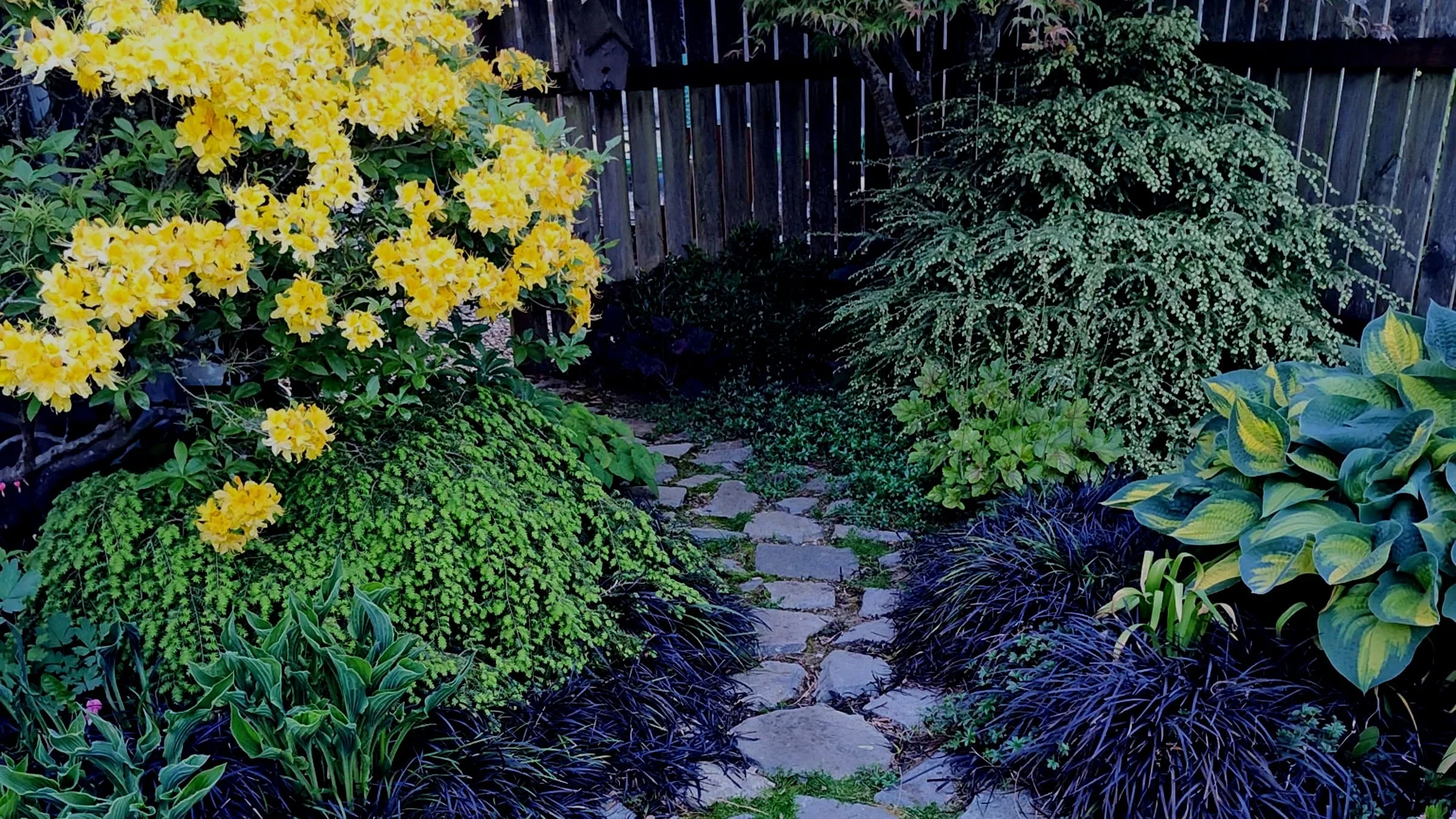
Contrast is the key element that creates visual garden excitement. Mixing sizes, colors or shapes of different leaves always adds interest and if they bloom for a season or two, even better. In a shade garden we can use numerous plants with larger, almost tropical looking, foliage as specimens. I often talk about container design and utilizing the elements of the thriller, some filler, and the spiller. To me basic landscape design follows these same principles; a focal point (thriller), some foundation plants (fillers) and border plantings (spillers). Perhaps it is a single focal point, then a group of foundation plants, and finally a swathe of border plants - not just one of this, one of that kind of deal, but a grouping of filler and spiller plants. This not only creates continuity throughout the garden, but can also provide the desired contrast. By choosing plants that catch your fancy and using them to play off of each other, beautiful combinations can be planted that are both visually pleasing and easy to grow. Here are a few suggestions for shady thrillers, fillers and spillers to contemplate…
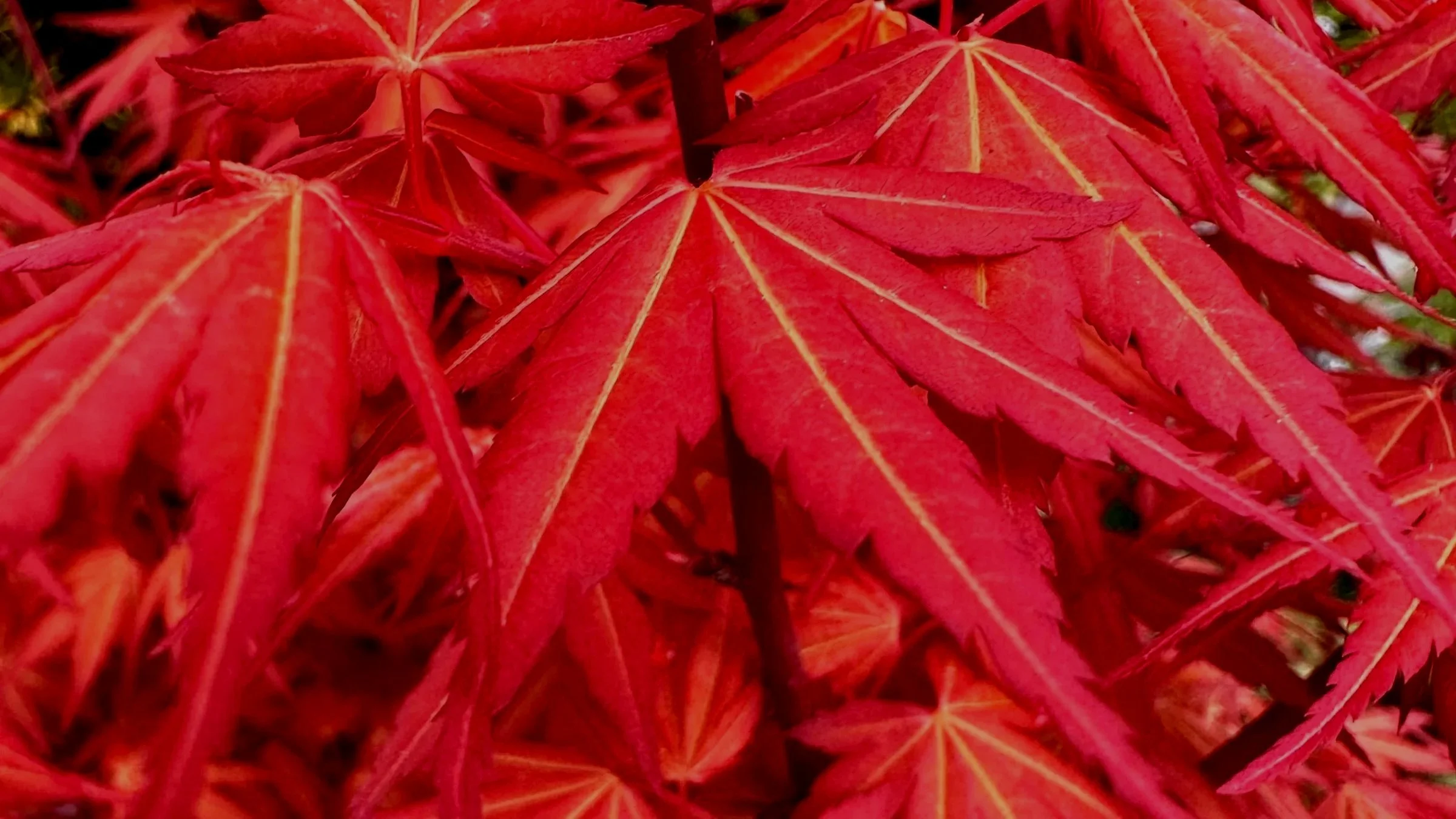
Thrillers: Focal points in the shade can be smaller trees or larger shrubs. For a small tree, I might explore Japanese maples (especially variegated or reticulated ones), each displaying unique colors. Bold variegated shrubs like Aucuba and Fatsia are quite stunning and can provide a nice 6 to 8-foot background with larger leaves to plant against. If variegation is not your thing, there are green versions of these as well. Larger growing Rhododendrons and Camellias can serve as interesting focal points too. I might also mention Hydrangeas briefly in this space as there are not many longer blooming shrubs for partial shade than Hydrangeas, and many modern varieties add in a touch of red to purple foliage as well. Now we are talking contrast!
Fillers: This list is seemingly endless, as a vast array of worthy shade shrubs and perennials are available to use locally. Remember that not everything has to be evergreen as perennials and deciduous shrubs add seasonal interest, including bloom and often stunning fall color. Shrubs like Sweet Box (Sarcococca sp.) come in a variety of growth habits and boast fragrant winter blooms. Camellias could be a thriller but also make lush evergreen fillers as well, blooming in winter or spring. Larger growing perennials serve nicely as filler options too. Endless options of Hosta can be planted (big or small), adding variegation or even blues to these garden spaces. Hardy Fushsias are another option, blooming all summer and fall, coming in a wonderful array of flower colors and even some with gold foliage, my favorite. If you love yellow, seek out a large growing perennial called ‘Sun King’ Aralia. I LOVE mine and giving them just a kiss of sun means glowing, large, yellow leaves all summer and fall.
Spillers: A bazillion choices are out there for stunning shady border plants, things I would plant in swathes or groups to maximize impact. Ferns, either evergreen or perennial, add so much texture. Bleeding Hearts (especially golden ones) add nice spring flower and foliage color. Brunnera is another one of my favs with silvery-green leaves and lovely blue forget-me-not-like spring flowers. Epimedium make superior spillers, eating up space (even in dry shade under trees) with interesting leaves and nice blooms in early spring. A newer variety of Jacob’s Ladder (Polemonium) called ‘Golden Feathers’ might be my single favorite plant in my shady border right now. Astilbe, Hellebore, Solomon’s Seal (especially the variegated version), Cimicifuga (these add some purplish foliage and fragrant flowers) and many more are out there to entice you!
Grasses: There is something simple yet elegant about grasses, including those that thrive in the shade. There are a few evergreen choices out there, but to me every single shade garden should incorporate perennial Japanese Forest Grass (Hakonechloa). I continue to add them in my yard as they naturalize so well in our climate, spreading to form a bright blanket of almost ground-cover. There are some lovely versions of this grass to choose from; solid limey yellow, striped yellow and green, dark green, or the newest one called ‘Lime Zest’. This one shines with brilliant white and green striping and boasts pinky-red stems for added interest. Remember grasses like these add unique texture, motion and even a little sound in the breeze.
To me it is never too early to talk shade plants! In our region almost all of us have shadier garden spaces that are begging for some cool botanical treasures - hopefully accenting and expanding upon the palette of existing plants in those spaces. Landscape design basics can help everyone and my hope is that you might stand back when looking at that potential or existing shade garden and consider options for both foliage and flower that are pleasing to your eyes. Certainly the basics of what we have talked about today translate to any garden space, but to me there is something extra special about going bold in the shade garden.
I invite you to join me this Saturday, May 23rd at Sunnyside Nursery for my talk “Color and Contrast in the Shade Garden” at 10 AM. A visit to your local nursery should reveal some scrumptious options this time of year. Speak with a Certified Professional Horticulturist about your needs and allow them to show you some suitable specimens for your own shady oasis. Whether you are rejuvenating an existing garden or starting anew, always remember that those deep dark places in our landscapes need some brightness, eye candy if you will, to make us smile as we stroll through on a shady garden walkabout.