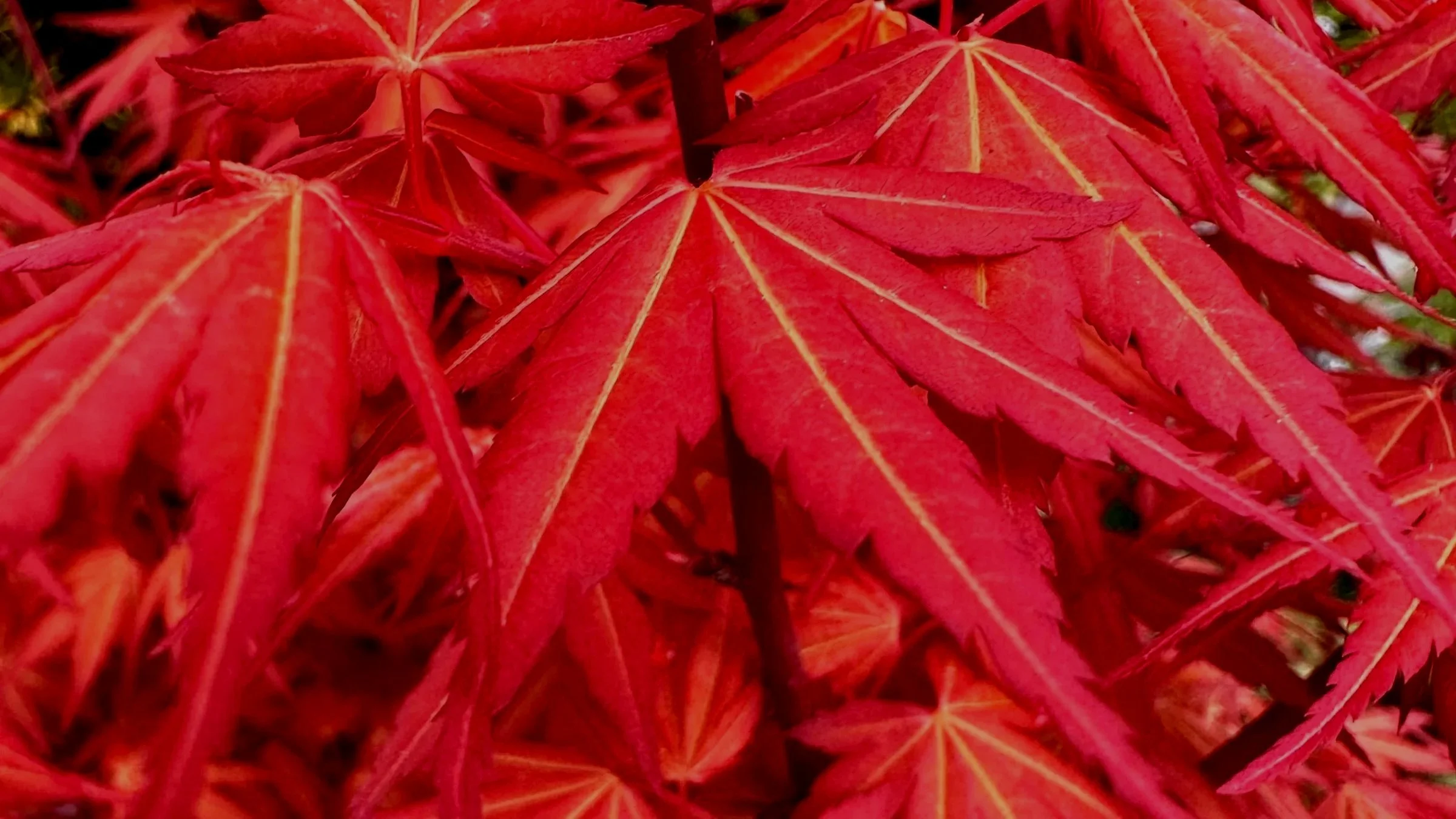
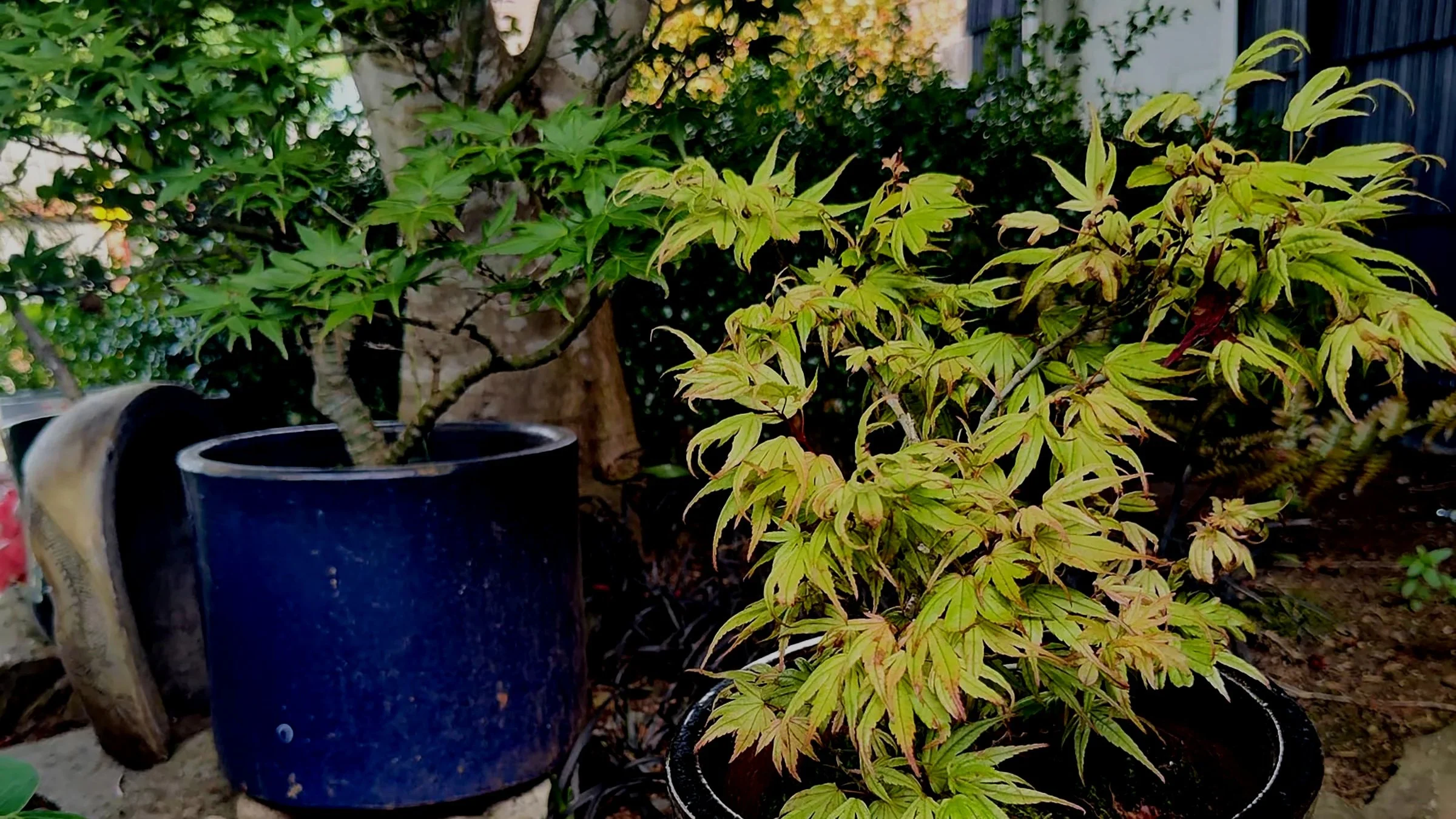
It goes without saying that Japanese maples, in all of their varied shapes, sizes and foliage options, represent some of my favorite botanical treasures. My landscape remains dotted with a number of them that I planted when I first moved in, but over the years I have managed to find even more space for them, in both sunny and shady locations. These days I am out of room and have no desire to dig up a perfectly good maple just to try another one. So how do I curb my maple cravings now? Add more in pots!
Any gardener can grow just about any plant in a pot for a period of time, even small trees like Japanese maples. Just like the garden, success to me always starts with quality soil. With maples, drainage is the utmost necessity, so never use heavier mixes or anything labeled “moisture control” – it will hold too much water and trees will eventually decline. A simple organic potting soil mix, either peat or coir based, is the way to get started. I will typically fill my pot two-thirds to three-quarters full with this as a base, then mix in either organic compost or even a bit of bark to create a useful, porous and well-drained mixture for my tree to thrive in. Perhaps you are a bit OCD like me… A little dressing of pure compost or bark on top looks sharp and will also shade the surface roots a bit too.
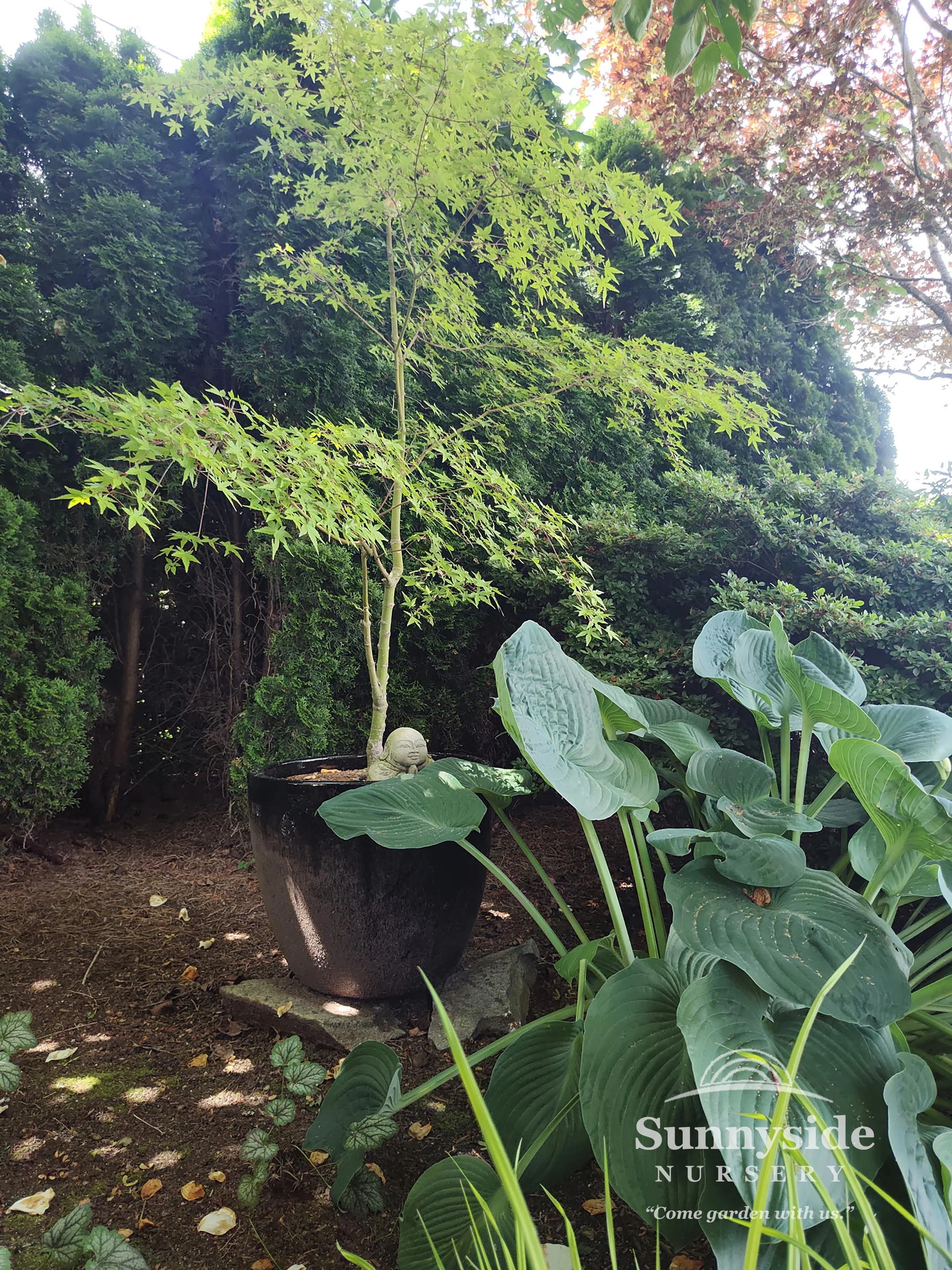
Now that we have quality soil taken care of, it is time to add in some fertilizer. I would go with an organic granular, specifically a tree and shrub type. I utilize the E.B. Stone Organic brand at home and their ‘Tree and Shrub Food’ (7-2-2) is perfect for maples. This food provides adequate nitrogen as well as a touch of phosphorous and potassium to keep trees thriving. Absolutely add fertilizer in at planting time, mixing some into the soil mix or applying it on the surface and water it in – up to you, I often do both myself. I try to feed my potted maples with this same food annually in March, and perhaps once more in June if they need it. Slow and steady should be the goal – no need to pump garden steroids on them or feed them like we do our flowers!
The selection of a suitable container is another key to this equation as well. I have learned a few lessons over the years and grabbing cheap plastic or anything else but frost-proof pottery may work in the short term, but I desire long-term success. Investing in a larger high-quality glazed or rustic pot works best, as this pot will last a lifetime – as long as you don’t drop it that is. Two other factors to consider are size and shape of the pot. Something as wide as tall is ideal since tall and narrow lacks enough root space and may even tip over when tree gets larger. Although they look sharp, anything with a narrower of fluted opening on top will preclude that tree from ever being removed efficiently when it is time to repot or root prune. I used to make that mistake all the time, but now I avoid them, resulting in much easier maintenance. Think of it this way… Seven, eight, maybe ten years go by and that tree is root bound and needs help – getting it out to transplant into the ground or root prune and repot is tough when the top of the pot is narrow. Often it comes down to breaking the pot to save the tree, or ruining the tree to save the pot. Neither of these scenarios works for me, so I say pick the right pot and save both!

Pot size is the second factor. This will be dictated by the specific variety of maple you choose (or any plant for that matter) and what time frame you desire for that tree to be happy in its containerized home. I do not have a magic formula for you on this topic, but here is what I have found over the years… Let’s say you desire a little one-gallon starter tree and wish to watch it grow in a pot, purchasing a 15- to 18-inch wide pot should last you at least five years or more. Perhaps a larger five-gallon tree is needed, now I shift to a pot that more like 24- to 30-inches wide. Some types can be in much smaller pots of course (almost bonsai style if you will), so always ask for help if you are unsure. For me, my hope is to always get at least 7 to 8 years of happiness when I plant a new Japanese maple up. BUT, remember the bigger the better, especially for larger growing specimens.
Year to year I always make sure my potted maples are irrigated properly, but not over watered - especially in our drier summer months. Stick a finger in on the edge and it should be dry two knuckles down before you water again. Often us gardeners walk by a pot, see dry surface soil and think it needs watering immediately, but sometimes it is still plenty moist down in the root zone. I mentioned drainage above and this is no different in pots. Make sure to use pot risers, pot feet, or something to elevate your pots on hard surfaces to ensure those drain holes will work, releasing excess water all year long. I also place pots in my actual landscape beds, but sitting on soil will inevitably mean the roots come out of the drain hole and try to grow in the garden soil. This can be a huge issue and has gotten me a couple times over the years. Now I always make sure to get larger flat rocks to place on the soil surface and then put the pot on top of them. This creates a level base and the drainage I need, telling that maple to behave and not root into the pot and ground down the road.

I want to emphasize one last point, check all of your potted maples once a year (in late winter) to make sure they are not root bound. Slipping a finger inside the edge of the pot is quick – can you push it or are you feeling roots? If it is solid, perhaps it is time (before it leafs out) to carefully pull the tree out and either root prune, plant it in the ground, or shift it into a larger pot. Watching your tree in summer may also help with this as well. If you are watering a maple in a pot and watching the water drain right through, this may indicate the plant is root bound. Once roots fill soil, there is not enough soil left to hold moisture for long. Thus if you are watering consistently and the tree continues to show signs of lack of water, this is probably the issue.
Like I stated at the beginning, practically any Japanese maple can be grown in a container for a period of time, and some permanently if you follow some of the suggestions above. I am giving you a homework assignment this week: look up some of those listed below to see what catches your eye. These flavors offer choice in growth habit, foliage color and texture, and all stay smaller in scale for pots. There are so many more worthy varieties out there as well so don’t be afraid to explore!
Akita Yatsubusa Bihou Butterfly Dr. Seuss
Fireball Geisha Gone Wild Hime shojo Kamagata
Kiyo hime Koto no ito Mikawa Yatsubusa Orion
Phoenix Rhode Island Red Ruby Stars Shaina
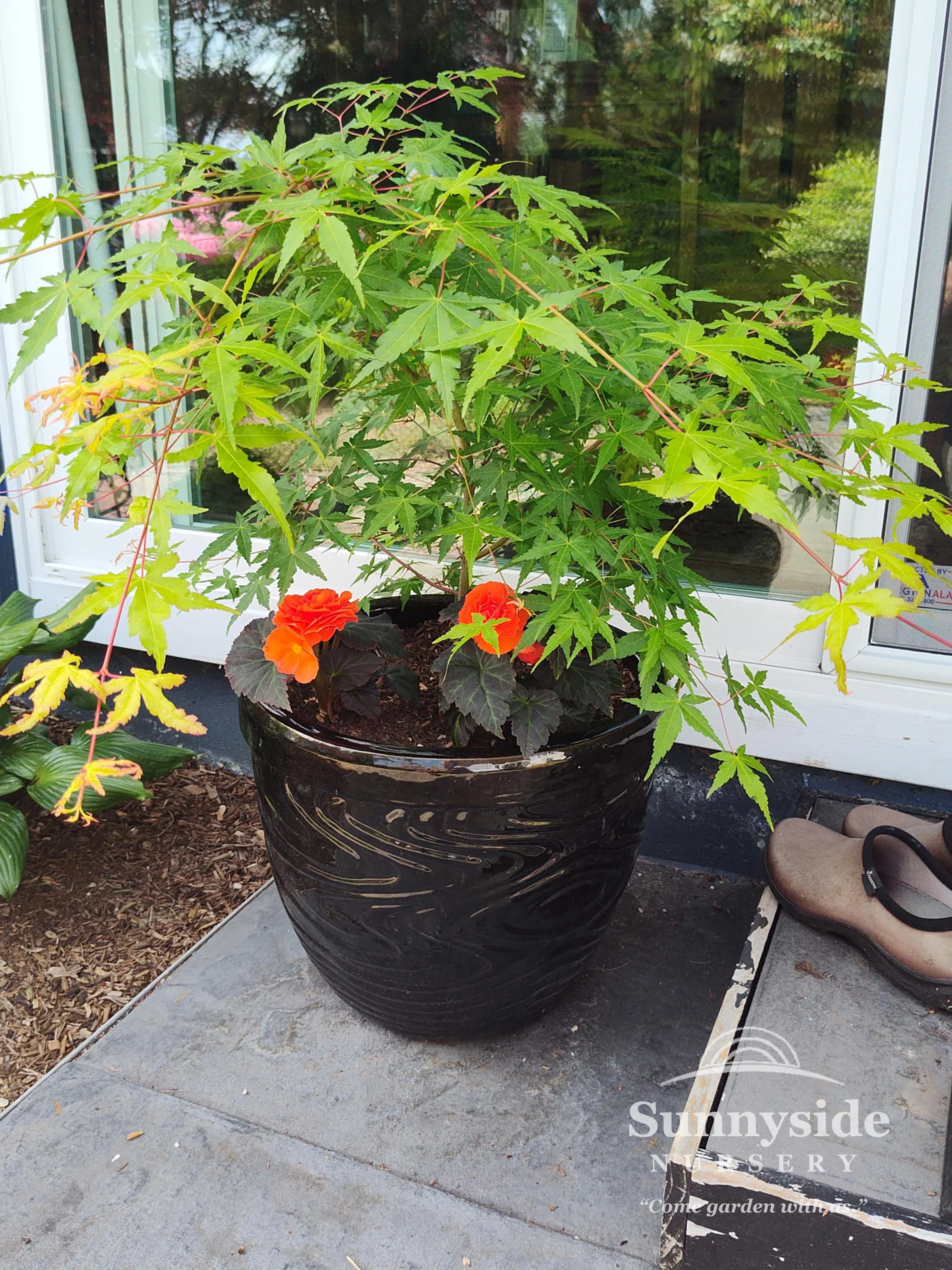
Growing maples in containers is both easy and rewarding. The selection of suitable cultivars is seemingly endless, providing some spectacular options for any location around the garden. Porches, patios, decks, landings… just about anywhere you can place a nice pot works well. A visit to the local garden center should allow you to select from a wide range of foliage and growth habit options. Speak with a Certified Professional Horticulturist about your maple needs and allow them to help you select stunning specimen(s) for your garden and/or pots. No gardener can ever have enough Japanese maples! Coming from a maple addict, we are all here to support each other and I promise not to tell anyone that you got yet another one.