One of the true pleasures in the world of gardening has always been and will continue to be cultivating edible food. Toiling in that soil for the purpose of growing and then harvesting your very own bounty of home grown berries, fruits and vegetables can be most gratifying. January is an ideal time to plan out edible gardens for the year and longer term, including the home orchard.
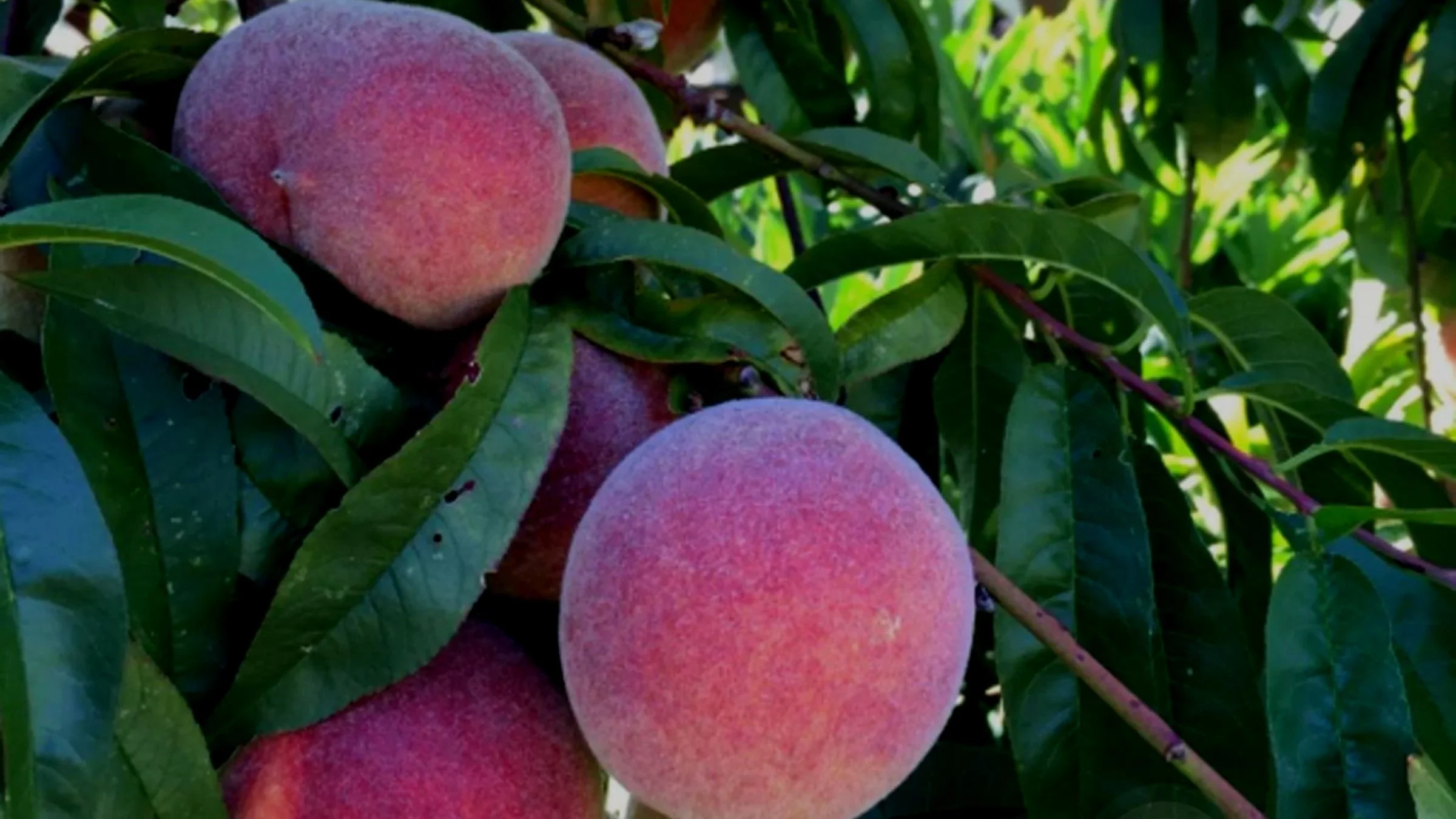
As you might know by now, I like things in trilogy form (most of the time), so this will be the opening act in a trifecta of fruit for the coming weeks. First up is the peach, a succulent treat most folks like to snack on or preserve by canning. In all honesty, I chose to start with peaches as an example of what we call “stone fruits” – essentially fruits that have central pits. Apricots, nectarines, plums, cherries and yes, peaches, are all hardy and useful stone fruits for us here in Western Washington… BUT, choosing the right varieties of each for our specific climate is of the utmost importance.
Our discussion of stone fruits, like peaches today, exemplifies the key factors in growing any kind of fruit successfully. If you consider our fine state of Washington, we enjoy two very distinct climates split by mountains down the middle. Here in Western Washington we are wet (especially in spring) and not as warm in the summer or cold in the winter (especially this one!). In Eastern Washington, it is much drier with warmer summers and colder winters. I bring this up because due to these climatic discrepancies there are specific flavors of fruit that are best for us to grown in Western Washington, and conversely different flavors for cultivation in Eastern Washington. Perhaps you have sauntered through Yakima (THE Palm Springs of Washington), Wenatchee, Cashmere, Orondo and the countless other areas in E WA filled with fruity goodness. The grocery stores and farmer’s markets may display varieties of peaches (and everything else) that are grown commercially in Eastern Washington, but these same flavors may struggle to ripen or to fend off diseases in Western Washington. The point is simply this: utilizing the best acclimated fruit cultivars for our specific area will breed success for you, the home orchardist.
With peaches in particular, keep in mind that they are self-fertile, meaning that our native orchard mason bees simply need to buzz about your tree when in bloom, mixing pollen from bloom to bloom and thus pollinating your peach. There is no need for a second variety for what is called “cross-pollination.” Most often peaches are purchased on dwarf rootstock, resulting in a manageably-sized specimen that matures in the 15-foot tall and wide neighborhood. Like almost all fruit, these will thrive with adequate drainage, so heavier clay soils should be avoided or amended with copious amount of compost to improve the soil structure. For a location, maximum sun is always best, ideally in an open location uncrowded by other plants to maximize air circulation and light (which will both help prevent diseases and ripen your treats to eat). Trees should be fed once each March and again in June with a superior organic granular food like ‘Fruit, Berry and Vine Food' from E.B. Stone Organics. Peaches (and other fruits) can certainly be grown in turf or pastures as well, but try to keep at least a 3-foot grass-free circle at the base. Know that turf may interfere with surface roots and will inevitably steal away the food you apply at the base of the tree.
As far as varieties of peaches for us here in Western Washington, the go-to flavor since its inception in the 1970’s is ‘Frost' peach. Legend speaks of the original specimen being found locally in Granite Falls, with the discoverers marveling over how disease resistant it was, how early in ripened and how excellent the quality was here is Western Washington. For my entire life, this is the one peach I had growing up and the one peach I have sold for thirty-plus years in the nursery business. The only other ones I would try here in Western Washington are ‘Nanaimo' (which in all honesty I think is the Canadian version of ‘Frost’, genetically identical) and ‘Q-18’, which locally we call ‘Salish Summer’. These are all very close varieties with superior disease resistance (not immunity), but I would still to this day have no issue whatsoever with everyone sticking with good old ‘Frost’.
The major potential issue with peaches to watch for is Peach Leaf Curl - a fungal disease that can be prevalent in our wet spring weather. Some years it is everywhere, while others I see it around minimally. It looks like the plague, but it is really not if taken care of in a timely manner. Using natural copper fungicide (the best of which is ‘Liquicop’ to me) is perfect to keep peach leaf curl to a minimum. Ideally this should be sprayed on your peach before blooming, and then again a month later after the bees have done their thing and petals have dropped. NEVER spray anything in bloom or you will lose bees and pollination. I would also make it a habit to continue to monitor your peach (and apricots and nectarines) for leaf curl throughout the spring. Spores for diseases like these blow around in the spring wind and rain looking for a host to infect. Re-applying a quick spray of ‘Liquicop’ once a month will keep your shields raised at maximum level. (That was just for any Trekkies, like me, reading.)
It is always difficult to describe how to prune properly in this format, but the important thing to remember with peaches is one year old wood. What grew the previous season is what set buds and will bloom and produce the next, so be careful not to cut/head them back too hard in winter. A lighter tip-prune is the way to go, as well as removing any bad crossing/broken/congested limbs. This really will help minimize disease and help them to reliably ripen, as opening up the tree for maximum sun and air circulation is always the way to go.
Now that we are in the midst of January (albeit with temperatures feeling a bit more like March or April this week!), it is the perfect opportunity to get working in your existing orchard. This is also the time to add more flavors of fruit or even start a brand new home orchard from scratch. Local garden centers are receiving bare root inventory soon and the selection of fruit trees is at a maximum everywhere. Keep in mind that buying bare root is both a way to save some money (as they are often sold at a discount) and to make transportation easier (you are taking home a lighter tree without soil). Speak with a Certified Professional Horticulturist about your needs and allow them to help you select the right trees for your outdoor spaces. They will help you get started right and educate you on how to spray, prune, feed and maintain your specimens for long-term success. ‘Frost’ peaches are one of the first trees to sell out locally, year after year, so get that peach sooner than later. After nurturing your new specimen, it is sure to reward you with delicious peaches to snack on and share with friends. Then I promise, you will be exclaiming “What a peach!”, just like me!
Stay tuned for more fun with fruit next week…