As promised, I will continue to delve into the wonderful world of fruits this week and pontificate on plums. These tasty treats bring many of us back to our childhood, as you may have had (like me) a plum tree to snack on at home or close by in the neighborhood. Perhaps you were not quite as mischievous as I was and avoided having plum wars with the neighborhood kids at harvest time. My juvenile-self says they were sure fun to toss and splat on friends! Back then making a mess was the way to go, but now I look back and think what a waste, you should have just eaten all of those and skipped the plum pitching… or at least let the crows have their chance at all the extras.
Plums represent some of the easiest fruits to grow, and in the home orchard they will produce bazillions when planted and cared for properly. First and foremost, like all fruits, we need to talk pollination and varieties. There are two groups of plums to choose from – Japanese or European – each kind differing in pollination needs. With Japanese plums, you must have two pollen sources (two different varieties) planted so that Mr. Bee can visit each tree, mixing the two together to ensure crops on both. European plums are what we call self-fertile (or partially self-fertile), with Mr. Bee simply needing to mingle in the one tree, creating the crop with no additional varieties needed. I will add this as well, even with self-fertile fruits, having a second variety nearby will always increase your potential crops. I would also keep trees close together, not necessarily side by side, but definitely within 100-feet of each other. Try to make life as easy as possible for Mr. Bee and your tree by planning out which trees go where, taking into account the need for this cross-pollination process.
Almost all varieties of Japanese or European plums should be available grafted onto a dwarfing rootstock. This simply means that you grow a manageable sized specimen, paired with adequate pruning, that should not reach more than 15-feet tall or wide in the garden. Keep in mind that some patience is required as plums may not bear fruit for a few years and then “BAM!”… you get more plums than humanly possible to consume. Both of these plum types offer excellent nutritional benefits, including being rich in vitamins, minerals and anti-oxidants. I mean seriously, we all need some extra anti-oxidants. They also aid in digestion and general wellness. Either plum can be enjoyed fresh of course, or also canned or dried. Many are often transformed into jams, jellies and deserts. Plum torte anyone? Hmmm, I am getting hungry now!
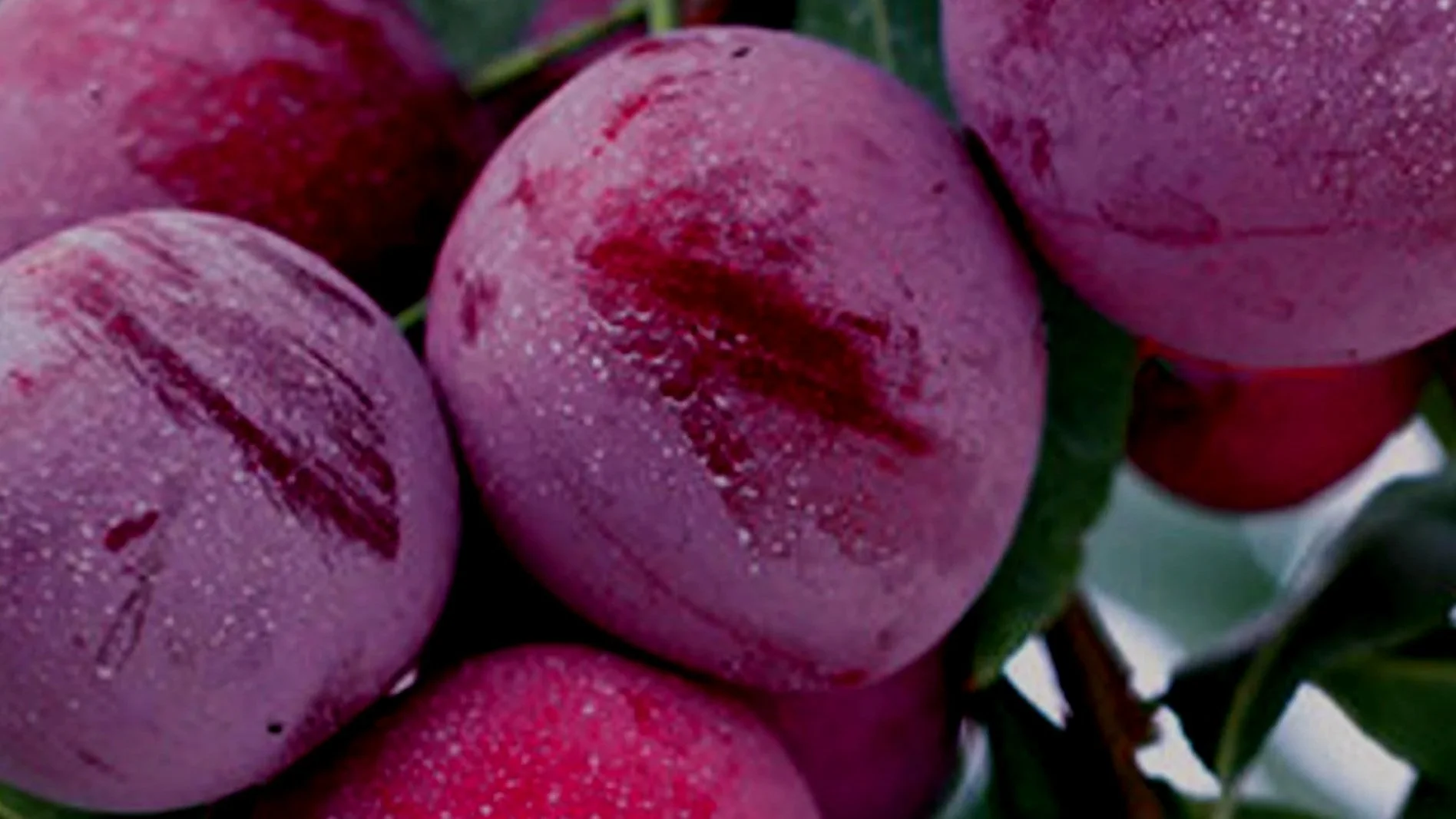
European plums (Prunus domestica) date back thousands of years to the days of the Greek and Roman civilizations. They tend to be more oval or egg-shaped and are sometimes referred to as “prune plums”. They are just as tasty dried or fresh and are the more common plums we see in landscapes loaded with bunches of the typically purple/blue fruits in early to mid-summer. The all-time classic is referred to as the “Italian Plum”, an heirloom variety that continues to set the standard for home garden use. Having said that, there are numerous other quality flavor options to plant as well. Other Italian-type varieties I see thriving locally include Blue Damson, Imperial Epineuse, Stanley, Green Gage, Yellow Egg and many more. I have not met a European plum that does not enjoy Western Washington in all honesty! Consider your options as specific varieties can offer different color skin, flesh and sometimes best use.
Japanese plums (Prunus salicina) go back for thousands of years in China and Japan, and most would say these are the “prettier” trees for ornamental flowers. These trees symbolize many things in Asia, like vitality and renewal, and are thought to be a good luck plant in many cultures. Fruits are typically larger, rounded and super juicy - the plum types found more often in the produce department at the grocery store. All Japanese plums need cross-pollination, meaning that you must have two different varieties of Japanese plums planted. Our pollinating friends simply buzz from tree to tree, visiting both and ensuring a useful crop for the season on each specimen. There are a number of excellent flavors of Japanese plums for us to plant locally, including Beauty, Satsuma, Shiro, Methley and others. Most will have orange to red to purple coloring (depending on the specific variety) and juicy amber or red flesh. .
Growing plums successfully is nearly identical to our peach discussion last week… A nice, sunny and well-drained location in the garden is ideal. Avoiding over-crowding is one key to providing air circulation and naturally minimizing diseases. Feeding them with an excellent organic granular fertilizer (like Fruit, Berry & Vine food from E.B. Stone Organics) each March and June provides necessary nutrition. Plums, like the peaches from last week, bloom and produce on one year old – meaning that all the growth that happens this summer will bloom the following spring and produce useful fruits once pollinated. Avoid heavy winter pruning and focus on corrective and/or thinning cuts. Heading back to control size should be done in early summer/after picking, as then new growth will emerge, harden off, set buds and finally produce fruit the following year.
I would always recommend using a dormant spray on fruits, particularly if you had any issues the previous season. A quality dormant spray ensures that you will start the season clean, but please continue to monitor your trees during the growing season for both bugs and diseases. I would consider ‘Horticultural Oil’ for insects, an organic option that can be used in winter and also during the growing season as long as temperatures are not super warm. ‘Liquicop’ is a natural copper fungicide option that does nicely for disease prevention year around. As a bonus, these two can be mixed together in the same solution to save some time. Be sure to do this on a dry day and NEVER spray trees in bloom. Plums are bit fussier than other fruits with oils, so be sure to read the instructions and avoid spraying them at bud swell. Once very early (like December or January) and then after foliage has emerged is the best way to go with both types of plums.
Growing your own fruits, including plums, can be very rewarding for any home owner. This is the perfect time of year to visit the local garden center and take advantage of both bare root sales and free advice from Certified Professional Horticulturists. Allow them to help you select the best varieties for you, and then assist you with long-term care advice. I will keep the fruit focus going next week with some pertinent information on cherries, but for now sit back, close your eyes and picture that perfect plum. Even better, picture popping it into your mouth and either donning a bib or perhaps having to wipe some excess juice that dribbled down. Okay, now I am seriously hungry, perhaps it will be the plum torte for desert tonight…