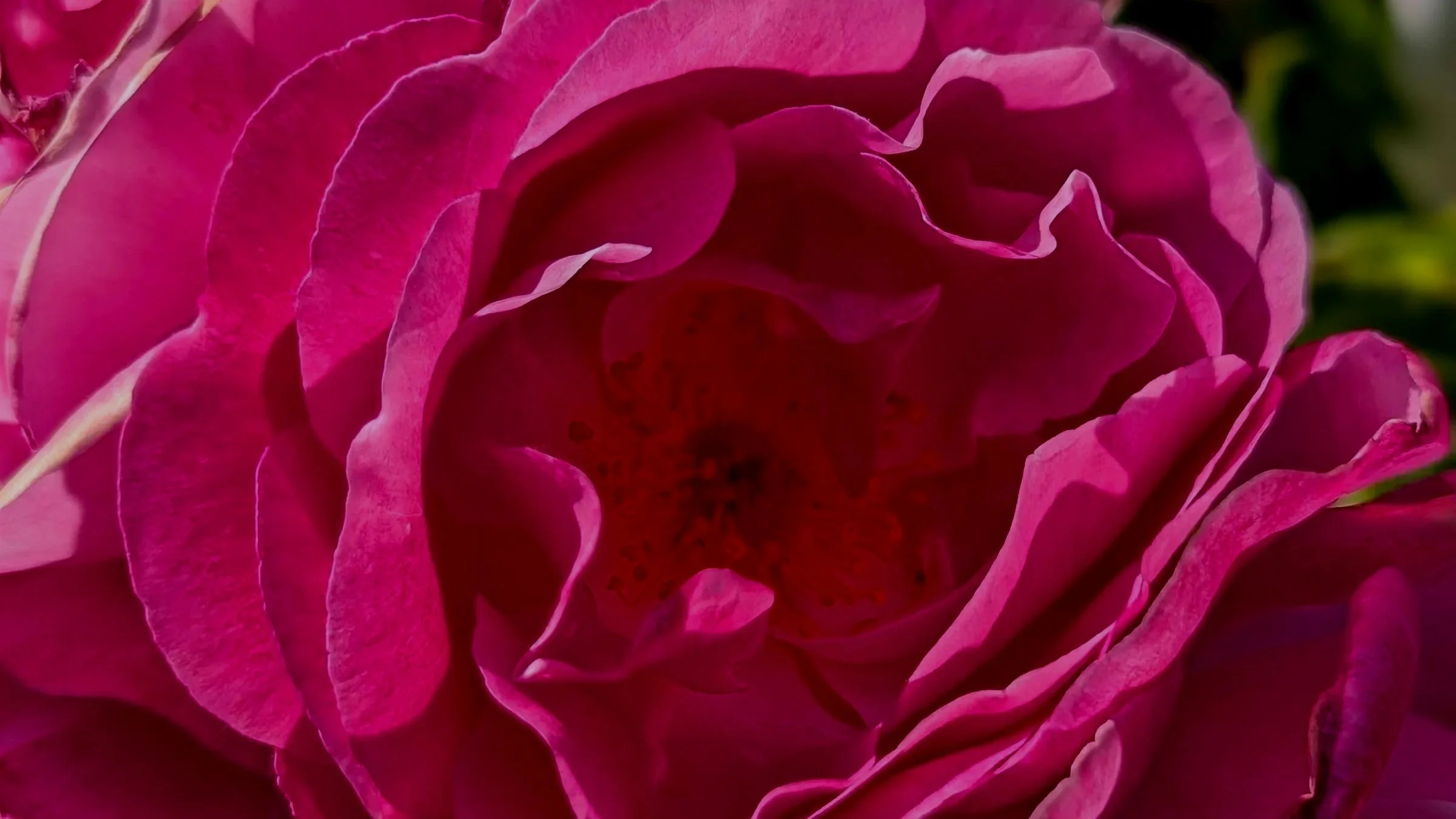
One of the most frequent questions asked over my many moons of running garden centers (and will surely continue to be) is a simple one… What shrubs flower the longest? The two go-to shrubs for longevity of bloom are Hydrangeas and Roses - both of which provide color starting in May or June and then continue to grace us with flower after flower all summer long until the fall frost. I have written about Hydrangeas before and will of course delve into them again at some point, but today it is all about Roses. After mentioning these summer beauties as a Valentine’s Day gift option last week, let us now dive deeper into the world of the Rose…
There are a number of great Roses that we can utilize in our Western Washington gardens, but I think there are some things you should consider when making your selections…
Own Root: Many Roses were traditionally “budded” or “grafted” onto a rootstock back in the day, and most are still grown this way today. Some Roses struggle to develop their own root systems, so this method of propagation allows us to enjoy flavors that may not be able to develop all on their own. Keep in mind that the graft union is the weak point and is susceptible to winter cold damage. We are typically not cold enough in the winter to kill these grafts, but it does happen sometimes. Many modern Roses (and some classics now) are grown on their own roots, offering superior winter hardiness due to the elimination of this graft union. Sometimes gardeners (including me!) must have a specific Rose, and thus we purchase a grafted version. But I am here to say that if you can find an own root variety, that is the way to go, especially if you are flexible and do not mind one that is close in color or fragrance to your original desire.
Disease Resistance: This is perhaps the most important consideration for us here in Western Washington. Our wet spring weather brings on foliar issues like powdery mildew, black spot, downy mildew and even rust sometimes. None of these potential issues mean that you should not grow Roses, but rather it should entice you to select ones that offer disease resistance. I want be clear on this issue; many gardeners hear “disease resistance” and equate that to immunity. Besides Rosa rugosa (a specie and associated hybrids), any and all Roses may get some foliar disease if not cared for properly. Roses labeled as “resistant” are superior choices, but please do not think of them as immune to everything, by any means.
Fragrance: Smelling Roses can be a daily pleasure all summer long as they fill the air with intoxicating perfumes. David Austin sets the standard for this, with specific scents like “hint of pear”, “touch of myrrh” and all kinds of fantastically fun fragrances. Old rose, fruity, citrus… I could go on and on with this. But is fragrance everything? Is it a must for every Rose? Perhaps some like to cut them and fill their house with lovely bouquets, but I think others just simply crave color. The vast majority of Roses certainly provide fragrances of varying degrees, but ALL pop with color ALL summer long. To me that is what is important, gazing upon the summer garden and seeing roses offering enjoyment flower after flower.
Spraying: As I mentioned with the disease resistance discussion above, some spraying should be done in Western Washington for almost all Roses. I would implore you to go natural and avoid using what I call “murder, death, kill” products. The time that necessitated the use of systemics and then neonics is gone! Neem oil is the way to go these days, the same thing I use at home and we utilize for almost everything here at the garden center. Staying ahead by getting it down early on plants in March is vital, and then repeating at regular intervals all through the spring is equally important. Neem Oil is king with Roses, doing an excellent job at preventing both diseases and minimizing insect damage. It is also safe for our pollinator friends as well. Focus on spraying plants that are not in bloom, and if they are blooming get Neem on in the early morning or late evening when the bees are not active. If you douse a bee with Neem Oil when spraying, you are killing the bee just like you would with chemicals, but once it is dried there is no residual issue whatsoever.
After bringing up these Rose topics, now we can get down to some selections. There are a number of Roses, in all classifications, that exhibit many of the traits discussed above, but I want to focus on one group from Weeks Roses… what they call “Easy to Love Roses.” The group continues to expand with new introductions, all very worthy considerations for us locally. The breeders at Weeks have matched vibrant color with fragrance (on most) and superior disease resistance in all of these varieties. Most are Floribunda-style Roses, which simply means that they are bushier with bouquets of multiple flowers but can still be cut if desired for arrangements. There are others in this series like 'Cinco de Mayo’, ‘Take It Easy’, and more worthy of cultivation as well.
‘Julia Child’: In all honesty, this Rose sets the standard for all I have mentioned thus far. Gorgeous golden-yellow flowers finish with a hint of pink and exhibit strong licorice candy scent. Superior disease resistance, own root hardiness and ease of cultivation make this one of THE best for sure.
‘Livin’ Easy’: This fabulous Rose glows with a rich apricot-orange color and light fragrance all summer long, offering glossy green disease resistant foliage and own root hardiness to boot. It has been given the prefect name as you will kick back and enjoy easy living watching this Rose thrive with minimal effort.
‘Easy Going’: This newer flavor is a sport of ‘Livin’ Easy’ (above) that comes grafted, but it still offers decent fragrance and extremely clean foliage. Flowers are a lovely golden-yellow touched with some peach, quite bright and striking.
‘Easy Does It’: This wonderful variety comes grafted, but again offers gardeners clean foliage and more intense fragrance as a bonus. The color is like a fruit salad; mixes of mango orange, peachy pink and ripe apricot, all blended together.
‘Easy Spirit’: This Rose excites me and everyone else who loves simple classic white. It is as clean of a Rose as any others out there, glowing white with a creamy base color. A decent mild tea fragrance adds intrigue all summer long.
‘Easy to Please’: The hot pink color of this beauty made it instantly popular locally, and those who grow it rave about how clean and floriferous it is for the garden. Moderate clove fragrance helps take this variety to the next level as well.
‘Easy Charmer’: This is the new smaller option in the series, suitable for growing in pots even. Known as a “Patio Rose” it sports vivid fuchsia-lavender flowers with strong fruity fragrance. And yes, the foliage is still incredibly clean, with added own root hardiness.
Although Roses are still in their dormant season, the promise of spring is just around the corner and that means a summer full of flowers is on the horizon. Most local garden centers should have a maximum selection of these Roses right now. Speak with a Certified Professional Horticulturist about your needs and allow them to help you select the best Roses suited just for you. Getting them in the ground now, feeding them regularly and staying ahead with spraying as needed will result in wonderful Roses in your own garden this summer. Give the Rose another chance, and surely you will be impressed with their modern genetics, in awe of their summer flower power and enchanted by their delicious fragrances.