Autumn in the Pacific Northwest presents gardeners with a plethora of opportunities in the garden, including the time to both catch up from summer and get ahead on some things before old man winter descends upon us. Great planting weather is here once again with warm soil temperatures and hopefully some rain on the horizon. After another dry summer season all of our plants, especially our lawns, will enjoy the gift of Mother Nature’s moisture. I for one might just stand in the front yard, arms outstretched to the sky, and do the Shawshank Redemption pose, if you know I mean!
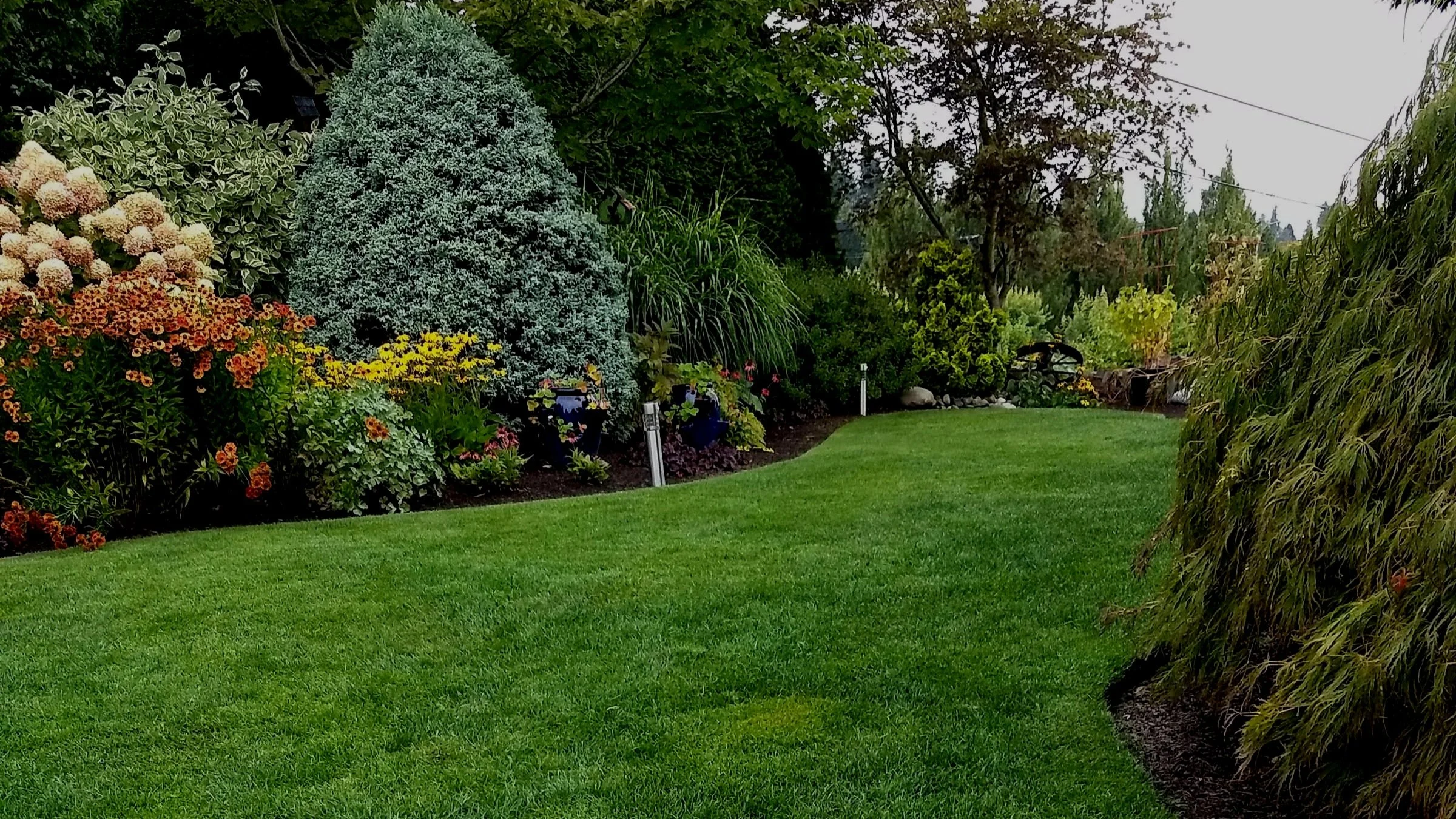
Now before I dive into fall lawns, I always start with a couple of disclaimers… I am a proponent of 100% natural, organic products, especially when it comes to turf. Add that to my OCD issues and surely I have some things to personally work through… Counseling anyone? That may not be for everybody of course as each and every gardener (or turf enthusiast for today’s discussion) has their own limits and preferences. Like I always say, you do you and pick and choose how particular you want to be with your own turf. My hope is always that I somehow transform people's thoughts from the idea that a lawn has to be some sort of chemical depository. Instead, it can be a naturally green space to kick a ball around with kids, play with the dog or even just take a nice summer nap on – all free and safe from synthetic herbicides, fertilizers and sprays of any kind.
As I drive around the area I see plenty of folks that allow their turf to go dormant in the summer heat, perhaps saving some hard earned cash on the water bill. Lawns are very resilient creatures and will almost always bounce back with fall rains, although albeit sometimes slowly. Whether you irrigated yours a bit to keep it green or allowed it brown out, it is all about rejuvenation in the fall and getting that turf back to a healthy, thick and green space before winter arrives. I don’t think anyone wants a muddy mess over the coming rainy winter, so getting some work done here in September can help prevent that from happening.
First and foremost, I would always start by assessing the turf areas in your landscape. Is the soil compacted? Are there lots of brown thatch (old clippings and debris) at the soil level? Before doing anything, assessing this is vital. I am a HUGE fan of thatching, either in fall or spring, or even both in some instances. Buying or renting a thatching machine, or having a company come do it for you, is the single best way to rejuvenate a lawn. We first cut the turf down to the lowest setting on the mower, then on the thatch machine set the blades low, just at soil surface, and literally destroy what is left, creating copious piles of fluffy clippings to rake up and compost. After a good thatching you should honestly look over the area and think “What have I done to my poor grass!” Thatching removes all of the dead debris and weak grasses, clearing the way for fresh growth and a healthy lawn once again.
Aerating (or plugging) the lawn might also be in the cards for you. I do not do this often as I built my soil years ago, partially to avoid needing to aerate. For others, I would ask you this… Did you try to water this summer but the water would not actually penetrate the lawn? This means compacted soil with extensive roots. Aerating will remove excess roots, allowing you to add fresh compost to fill these holes and encouraging fresh root development. Perhaps some of you are tortured by the game of golf like me, the Golfing Gardener. If so, you know what I mean. EVERY decent golf course nationwide aerates every fall and spring, as they want fresh turf and optimal drainage. The difference is that we use compost (skip the sand) to continue to add organics and help with the soil structure long term as it continues to work its way down. Never leave those plugs on the surface, rake them up or you will end up with choppy and uneven areas.
Once the thatching and aerating decisions and work are done, it is time to get that lawn back to lush and green. Again, each of us have our own tolerances for weeds and moss, so I will leave that choice up to you. But if you have either this time of year, treating for weeds and moss should happen BEFORE you thatch or aerate. I love working on my lawn but do not want to do things twice. If you kill weeds and moss first, the thatching will then remove all the unwanted debris in one fell swoop and you will not have to rake it up over and over again. When treating for weeds and moss, I would steer you towards a product from Bonide called ‘Lawnweed Brew’ – a natural Iron-based spray that kills moss and most common weeds. If you have been cursed with horsetail, buttercup, clover or any other tough invaders you may have to shift to a chemical killer (just once) to regain a clean slate, but month after month I have great luck keeping my lawns weed and moss free by using this product.
After clean-up is done, the fun part starts. You should be looking at a dirty brown-green and sparse canvas, time to paint that thing green again! Choosing a quality over-seed, fertilizer and lime are as important as anything. For seed, I am not a huge fan of the pre-packaged national brands myself and have had much better success with locally sourced, regionally specific grass seed. I have always sworn by a PNW shade/sun mix, the perfect blend of rye and fescue grasses, to thrive in both sun and shade and tolerate our wetter winter weather. I also discovered another great option as well, a seed called “PNW Black Beauty“, sourced from Eugene, Oregon. I have been over-seeding with it now for a couple of years and have been amazed at the deep green color and extensive root system. I would never call a lawn drought tolerant per say BUT, I really do see a difference with this type not needing as much summer irrigation for sure. Keep in mind that over-seeding is typically done at about 1 to 2 pounds per 1,000 square feet of lawn.
Fall is the single most important time of year to feed the lawn. Using a quality organic fertilizer is the way to go for me as it helps both green-up existing turf and build healthy roots while never burning fresh seed. Personally, I like Espoma Organics and E.B. Stone Organics brands, but any organic is totally acceptable - I am not a fan of synthetic foods or weed and feeds whatsoever. I think if you try the organic side you won’t go back to synthetic as organics are gentle, slow acting and last a long time. Better color, less mowing and healthy for kids and pets, now that is what I am talking about. Finally we add lime, like ‘Lightning Lime’ from Espoma Organics, as a pH adjuster. Long story short, grass loves sweet soil and moss does not, so raising the pH of turf areas really does make a difference in the amount of moss growth you will see over the winter. Lastly, once the food, seed and lime are down, please cover the entire thing with a dusting (like 1/8 to 1/4-inch) of compost as seed cover. This will help the seed stay moist on those sunny fall days until it germinates and will prevent our feathered friends from snacking on it.
I sincerely hope that you will invest a little time into lawn renovation this fall. Local garden centers can help you with anything and everything turf year around, but in fall focus on rejuvenation. I would also invite you to join me for a free lawn seminar here at the nursery this Saturday, September 6th at 10AM. Make autumn your turf time and I promise your lawn will thank you for the extra loving attention.