The fertilizing frenzy officially commenced last week, so this week I shall keep the momentum of N-P-K going. If you recall, Nitrogen (N), Phosphorous (P), and Potassium (K) content are represented by those three magical numbers on every bag of growing goodness, allowing us as gardeners to choose an ideal blend for our specific needs. We are not talking steak and potatoes here (my food of choice), but rather all the elements that are essential for proper plant growth. Maybe Hydrangeas like steak and potatoes as well? Perhaps not, but what makes a high-quality fertilizer along with which one is best for which plant is crucial to gardening success.
I mentioned time release, synthetic, water soluble and organic type foods last time, and this week I will dive deeper into the world of organics and how to choose. Superior organic blends are crafted by several good companies, including E.B. Stone Organics, my personal fav. They have done the research and trials to formulate the perfect ingredients that our plants respond to. Some hard-core gardeners like to mix their own concoctions (including me sometimes), but honestly it is not necessary in these modern times. It is much easier to grab a blended bag of goodness that does exactly what you, and your plant, need it to do. I invite you to look at the ingredients of a typical bag of organic food. You will see some lovely natural things listed like Alfalfa Meal, Bone Meal, Blood Meal, Cottonseed Meal, Seaweed, Kelp, Feather Meal, Chicken Manure, Bat Guano and much more. Sounds like the perfect morning latte for any plant! These organic products can be found separately, allowing you to make your own, but again let the organic masters formulate it for you. Each of these represents the best specific sources for necessary plant nutrition and when all mixed up, results in a useful blend to generate growth, maximize bloom, increase production, increase drought tolerance, as well as help to fend off insects and diseases.
If you recall, I mentioned last week that organics are my time release blend - they last much longer than others and slowly feed my plants… they also never burn! Speaking as a male, sometimes we do not measure things carefully and just toss – the more the better, right? There is no need to put down crazy amounts on any one plant, but for me it is just simply a handful here and another one there kind of thing. If you would like to use my routine for feeding in the landscape, here you go… In March, I always walk about the yard and feed just about everything, especially plants that have struggled in the previous season or are newly planted. All perennials, Roses and flowering shrubs get a dose, without exception. For trees and shrubs simply scrape away some loose mulch and apply the granular food in a circle just inside the drip line as that is where the feeding roots are located. With perennials, at the perimeter of the clumps works nicely. I will typically cover this food by spreading that same mulch back on top or adding fresh compost to lock it in place, then watch Mother Nature work the organic goodness into the soil with spring rain. In June I follow the same process, perhaps giving a bit extra to new treasures I just planted and any plant that has struggled or been pruned at all. I can simply water it in, or let Mother Nature add some rain to do the same. This summer feeding is ideal for our shrubs and trees to set flower buds for the following year and will also keep seasonal plants, like perennials, blooming as long as possible.
Here are a few of the blends I use most from E.B. Stone Organics, typically available in 4lb re-sealable pouches or larger 15lb bags…
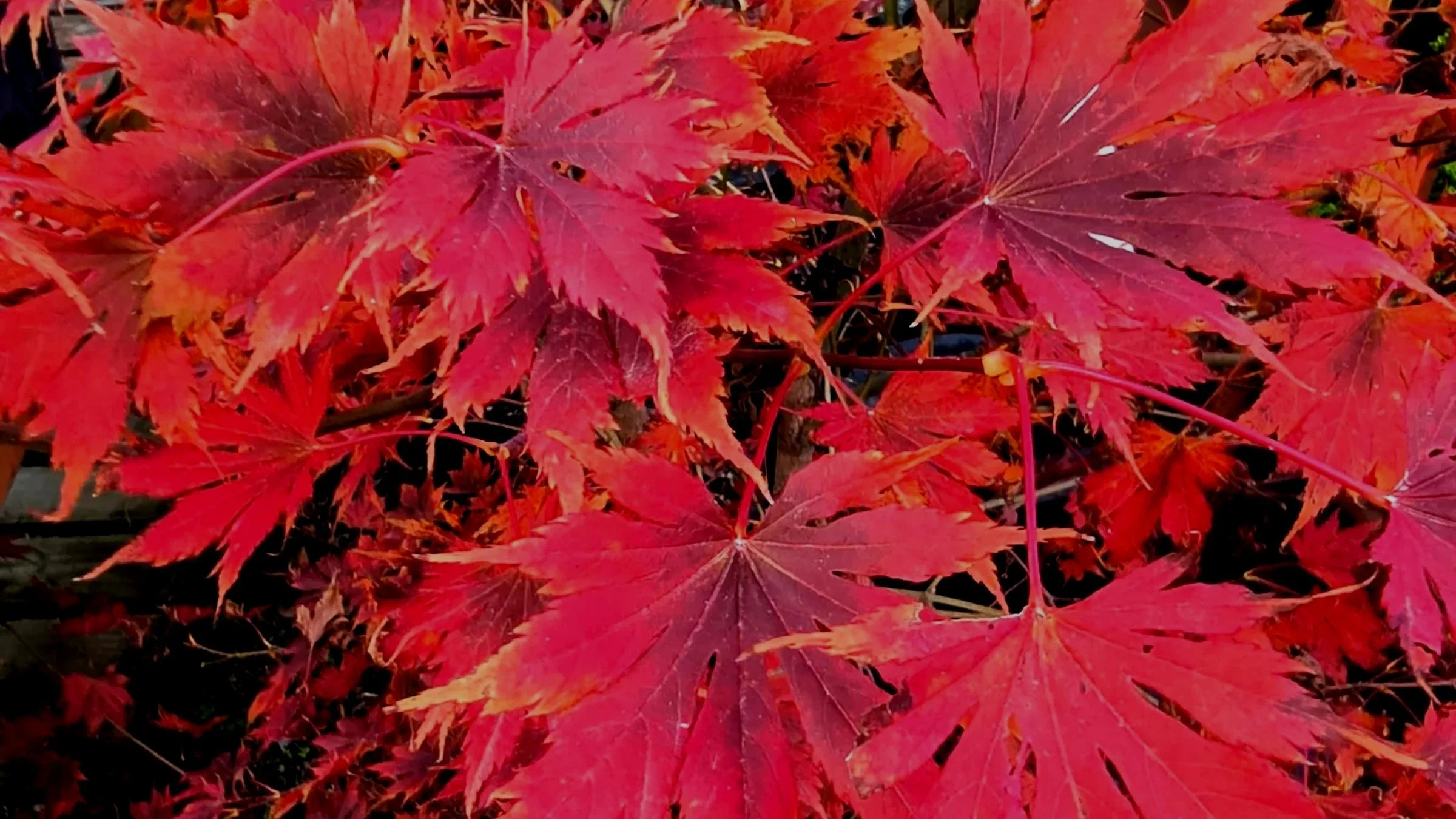
Tree and Shrub food (7-2-2): This to me should be used on conifers, Japanese maples, hedges, and foliage plants. The higher N content produces healthy growth and we do not need to worry as much about actual bud and bloom (less P and K).
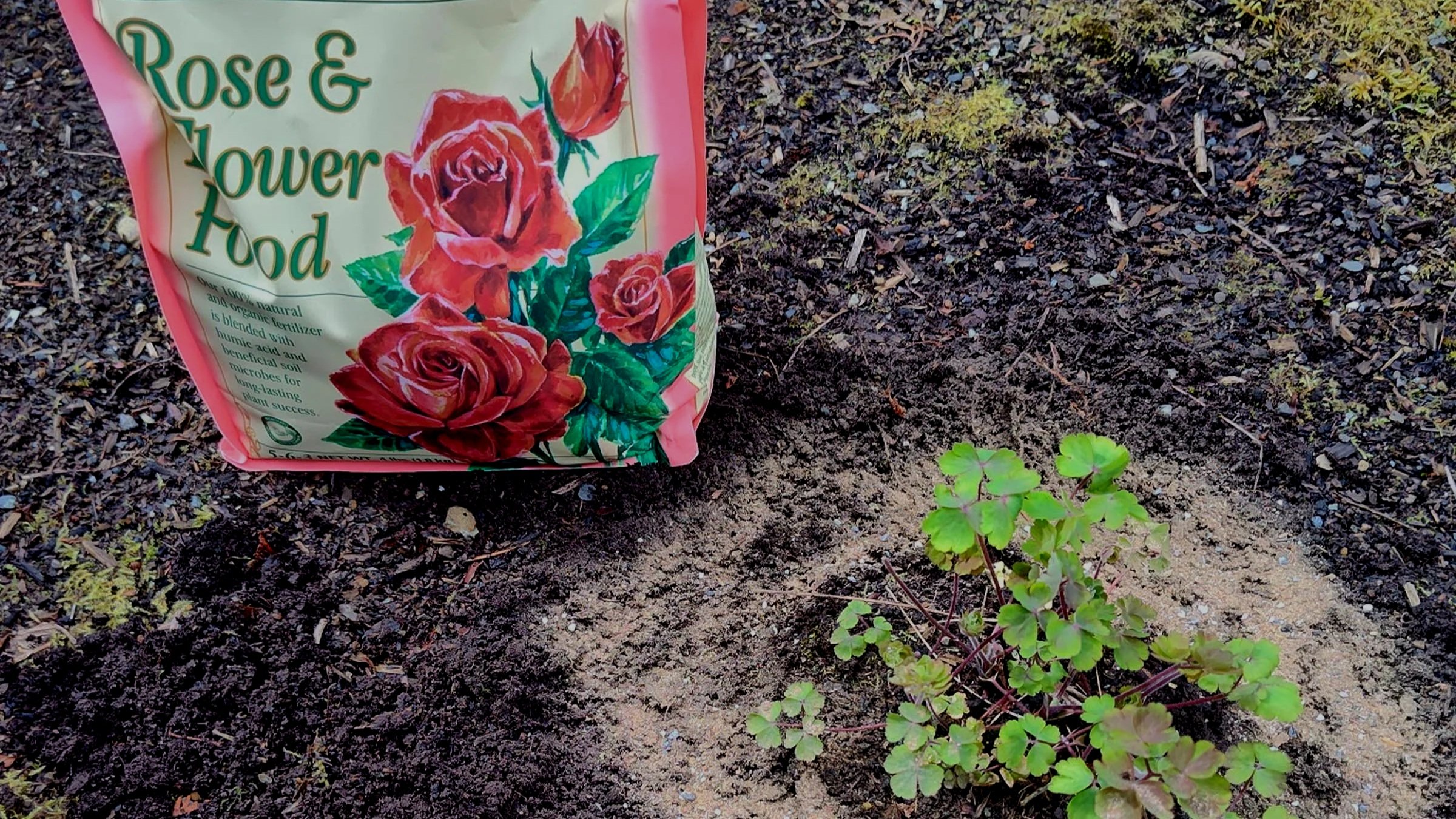
Rose and Flower (5-6-3): This is the perfect food (complete with extra alfalfa meal) for Roses, perennials and flowering shrubs to maximize flowers. Great for Hydrangeas as well, and something I use at planting time in my pots, hanging baskets and annual plantings to set the stage for the season, mixing some into my potting soil of choice.
Tomato and Vegetable (4-5-3): This ideal food for herbs and vegetables helps produce copious crops and contains extra calcium to both sweeten soil and help fend off diseases. I would also look at ‘Azomite', a volcanic ash harvested for its 70+ minerals that increases nutritional value and taste. This comes in a small box from another organic company called Down to Earth. Using both is the optimal way to go with veggies for sure.
Fruit, Berry and Vine (7-3-3): This is the useful option for all fruit trees. Adding more N for better growth year after year while also providing needed P and K for optimal production. It is also useful for all berries (except Blueberries – see Rhody food below) and vines like Clematis, Honeysuckle and Wisteria.
Rhododendron, Azalea and Camellia (6-4-3): Ideal for all acid-loving plants, producing both healthy growth and flowers. This type could cover roughly 90% of our local landscapes (almost everything is Western Washington is acidic!) and is also our go-to Blueberry food!
All-Purpose (5-5-5): This is always the no-brainer food that can be applied to just about anything. I would never condemn you for using an All-Purpose blend, but sometimes one of the specific food types listed above helps achieve even better results.
Ultra Bloom (0-10-10): This one is for flower power, period. Using it June will help old-wood blooming plants (Dogwood, Magnolia, Lilac, etc.) set a plethora of flower buds for the following season. It contains no N, so think of this as an additional food (on top of one of the appropriate fertilizers above) that really maximizes potential bloom season to season on many plants.
If you liked the water-soluble method I mentioned last week, you can still do organic blends from Espoma Organics like ‘Grow’, ‘Bloom’, or ‘Tomato’ depending on what plants you are feeding. These are simply diluted into a watering can and applied every few weeks or even added through a hose-end sprayer for larger projects. In addition, there is a nice hybrid (synthetic and organic) water soluble option called ‘Sea Grow’ that could be useful for those hungry annuals in hanging baskets, containers and in-ground plantings. But this brings up a perfect example of being careful… you should never use ‘Sea Grow’ on edible plants. Go green and utilize 100% organics on all edibles, period.
Whether you are feeding your lawn, trees, shrubs, perennials, annuals or edibles of any kind, there is an ideal organic fertilizer for you to utilize. On your next trek to the local garden center look at the options and choose what is best for your specimens. Speak with a Certified Professional Horticulturist about your feeding routine and allow them to help you select the best fertilizers for your garden’s needs. To me going green with quality organics is the way to go. All of us gardeners can maximize any plant’s potential while achieving slow and steady growth the healthy way.